
The Role of Hyperbaric Chambers in Treating Lyme Disease
Lyme disease affects thousands of people each year, often causing persistent symptoms that challenge traditional treatments. While antibiotics remain the primary therapy, many patients seek additional options to manage lingering effects. One promising approach gaining attention is hyperbaric oxygen therapy (HBOT), which uses hyperbaric chambers to deliver concentrated oxygen at increased pressure. This article explores how hyperbaric chambers may support Lyme disease treatment, the science behind it, and what patients should know before considering this therapy.
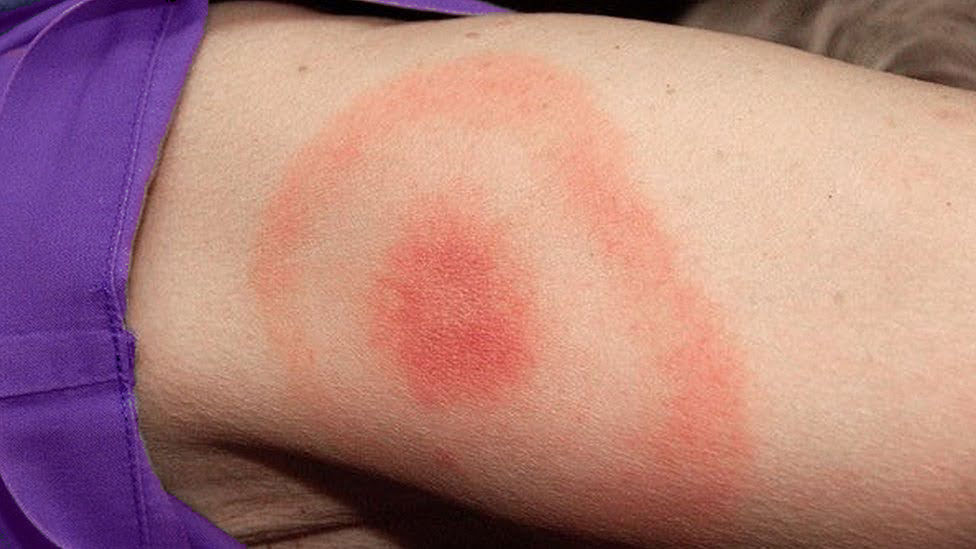
Understanding Lyme Disease and Its Challenges
Lyme disease is caused by the bacterium Borrelia burgdorferi, transmitted through tick bites. Early symptoms often include fever, fatigue, headache, and a characteristic skin rash called erythema migrans. If untreated, the infection can spread to joints, the heart, and the nervous system.
Standard treatment involves a course of antibiotics, which cures most cases. However, some patients experience persistent symptoms such as joint pain, fatigue, and cognitive difficulties, a condition sometimes called Post-Treatment Lyme Disease Syndrome (PTLDS). The cause of these ongoing symptoms is not fully understood, and treatment options remain limited.
What Is Hyperbaric Oxygen Therapy?
Hyperbaric oxygen therapy involves breathing pure oxygen in a pressurized chamber. The pressure is typically 1.4-1.5 times higher than normal atmospheric pressure. This process increases the amount of oxygen dissolved in the blood plasma, allowing oxygen to reach tissues more effectively.
HBOT is an established treatment for conditions like decompression sickness, carbon monoxide poisoning, and certain wound healing problems. Its potential benefits for infections and inflammation have led researchers to explore its use in Lyme disease.
How Hyperbaric Chambers May Help Lyme Disease Patients
Several mechanisms suggest hyperbaric chambers could support Lyme disease treatment:
Enhanced Oxygen Delivery
Lyme disease can cause inflammation and tissue damage, reducing oxygen supply to affected areas. HBOT increases oxygen availability, which may promote healing and reduce inflammation.
Improved Immune Response
Higher oxygen levels can boost the activity of white blood cells, helping the body fight infection more effectively.
Inhibition of Bacterial Growth
Some studies indicate that Borrelia burgdorferi may be sensitive to increased oxygen levels, potentially slowing bacterial growth.
Reduction of Inflammation
HBOT has anti-inflammatory effects, which could alleviate symptoms like joint pain and swelling.
Research and Evidence on HBOT for Lyme Disease
Scientific studies on hyperbaric oxygen therapy for Lyme disease are limited but growing. A few small clinical trials and case reports have shown promising results:
A 2014 study published in Medical Gas Research reported symptom improvement in patients with chronic Lyme disease after HBOT sessions. Patients experienced reduced fatigue, pain, and cognitive difficulties.
Animal studies suggest HBOT can reduce inflammation and bacterial load in infected tissues.
Despite these findings, larger, controlled clinical trials are needed to confirm effectiveness and establish treatment protocols.
What to Expect During Hyperbaric Oxygen Therapy
HBOT sessions usually last between 60 and 90 minutes. Patients enter a hyperbaric chamber, which can be a single-person unit or a larger. The chamber is pressurized gradually, and patients breathe concentrated oxygen through a mask or hood.
Typical treatment plans for Lyme disease may involve 20 to 40 sessions over several weeks. Side effects are generally mild but can include ear discomfort, temporary vision changes, or fatigue.
Considerations and Precautions
Before starting HBOT, patients should consult their healthcare provider to discuss potential benefits and risks. Hyperbaric oxygen therapy is not suitable for everyone. Contraindications include untreated pneumothorax, certain lung diseases, and some types of ear problems.
Insurance coverage for HBOT in Lyme disease varies and may require documentation of medical necessity.
Combining HBOT with Conventional Lyme Disease Treatments
HBOT is not a replacement for antibiotics or other standard therapies. Instead, it may serve as a complementary approach to help manage symptoms and support recovery. Patients should continue following their prescribed treatment plans and inform their medical team about any additional therapies.
Patient Experiences and Testimonials
Many Lyme disease patients report feeling better after HBOT, noting improvements in energy, pain levels, and mental clarity. For example, one patient shared that after 30 sessions, they experienced less joint stiffness and could resume daily activities with less fatigue.
While individual experiences vary, these stories highlight the potential of hyperbaric chambers as part of a broader treatment strategy.
Future Directions in Lyme Disease Treatment
Research into hyperbaric oxygen therapy and other adjunct treatments continues. Advances in understanding Lyme disease’s complex effects on the body may lead to more targeted therapies. For now, HBOT offers a promising option for patients seeking relief beyond antibiotics.




Comments