
Exploring the Benefits of Hyperbaric Oxygen Therapy for Autoimmune Conditions and Patient Outcomes
Autoimmune diseases affect millions worldwide, causing the immune system to mistakenly attack the body’s own tissues. These conditions often lead to chronic inflammation, pain, and a reduced quality of life. Traditional treatments focus on suppressing the immune response, but many patients seek alternative therapies to manage symptoms and improve healing. One emerging option is hyperbaric oxygen therapy (HBOT), which involves breathing concentrated oxygen in a pressurized chamber. This blog post explores how HBOT may benefit autoimmune conditions, supported by scientific studies, patient experiences, and expert insights. We will also discuss potential risks and important considerations for those interested in this treatment.

What Is Hyperbaric Oxygen Therapy?
Hyperbaric oxygen therapy delivers 90-96% oxygen at pressures higher than normal atmospheric pressure. This process increases the amount of oxygen dissolved in the blood plasma, allowing oxygen to reach tissues more effectively. HBOT is traditionally used to treat decompression sickness, carbon monoxide poisoning, and certain wound healing problems. Recently, researchers have explored its potential for managing autoimmune diseases by reducing inflammation and promoting tissue repair.
How Autoimmune Diseases Affect the Body
Autoimmune diseases such as rheumatoid arthritis, multiple sclerosis, lupus, and Crohn’s disease involve the immune system attacking healthy cells. This leads to:
Chronic inflammation
Tissue damage
Fatigue and pain
Impaired organ function
Current treatments often include immunosuppressants and anti-inflammatory drugs, which can have side effects and may not fully control symptoms. Patients and clinicians are interested in therapies that support healing without suppressing the immune system entirely.
Scientific Evidence Supporting HBOT for Autoimmune Conditions
Several studies suggest HBOT may help modulate the immune response and reduce inflammation in autoimmune diseases:
A 2018 study published in Medical Gas Research found that HBOT reduced inflammatory markers and improved symptoms in patients with rheumatoid arthritis. The therapy appeared to decrease joint swelling and pain after a series of treatments.
Research on multiple sclerosis patients showed that HBOT could improve neurological function and reduce fatigue. A 2017 clinical trial reported better motor skills and cognitive function after HBOT sessions.
Animal studies have demonstrated that HBOT can suppress autoimmune activity by regulating immune cells and promoting antioxidant effects, which protect tissues from damage.
While these findings are promising, larger randomized controlled trials are needed to confirm the benefits and establish standardized treatment protocols.
Patient Testimonials: Real Experiences with HBOT
Many patients with autoimmune diseases have shared positive experiences with HBOT:
Sarah, 42, with lupus: "After several HBOT sessions, I noticed less joint pain and more energy. It didn’t replace my medications, but it helped me feel better overall."
Mark, 35, with multiple sclerosis: "HBOT improved my balance and reduced brain fog. It gave me hope when other treatments weren’t enough."
Linda, 50, with rheumatoid arthritis: "The swelling in my hands went down, and I could do daily tasks with less discomfort after HBOT."
These stories highlight how HBOT may complement traditional therapies and improve quality of life.
Expert Opinions on HBOT and Autoimmune Diseases
Medical professionals emphasize cautious optimism about HBOT:
Dr. Emily Chen, a rheumatologist, explains, "HBOT shows potential to reduce inflammation and support healing, but it should be part of a comprehensive treatment plan. More research is necessary to understand which patients benefit most."
Dr. Raj Patel, an immunologist, notes, "The ability of HBOT to increase oxygen delivery may help tissues recover from immune attacks. However, it is not a cure and should not replace standard care."
Experts agree that patients should consult their healthcare providers before starting HBOT to ensure safety and appropriateness.
Potential Risks and Considerations
HBOT is generally safe when administered by trained professionals, but it carries some risks:
Ear barotrauma (pressure-related ear pain or injury)
Temporary vision changes
Oxygen toxicity, which can cause seizures in rare cases
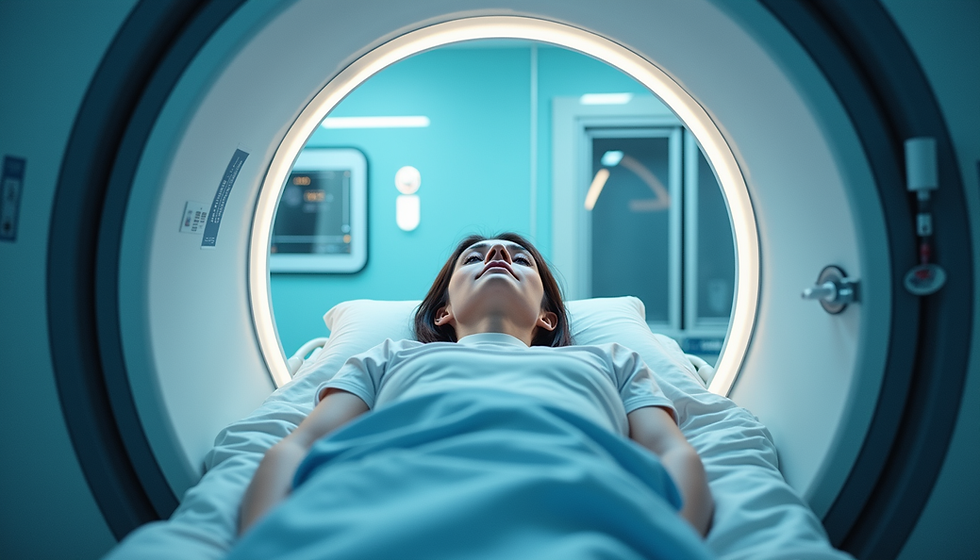
Claustrophobia or anxiety inside the chamber
Patients with certain conditions, such as untreated pneumothorax or severe lung disease, may not be suitable candidates. It is essential to undergo a thorough medical evaluation before treatment.
How to Approach HBOT for Autoimmune Conditions
If you are considering HBOT, keep these points in mind:
Discuss your autoimmune diagnosis and current treatments with your doctor.
Choose a reputable clinic with certified hyperbaric specialists.
Understand that HBOT is a complementary therapy, not a replacement for prescribed medications.
Monitor your symptoms and report any side effects during treatment.
Be patient, as benefits may take several sessions to appear.
Future Directions and Research
Ongoing clinical trials are investigating HBOT’s role in autoimmune diseases, aiming to clarify:
Optimal treatment duration and pressure settings
Which autoimmune conditions respond best
Long-term effects and safety profiles
As research progresses, HBOT could become a valuable tool in managing autoimmune disorders alongside conventional therapies.



Comments