
Exploring the Benefits of Hyperbaric Treatments for Sleep Apnea
Sleep apnea affects millions worldwide, disrupting restful sleep and leading to serious health problems. Traditional treatments like CPAP machines and lifestyle changes help many, but some patients seek alternative options. Hyperbaric oxygen therapy (HBOT) has emerged as a potential complementary treatment for sleep apnea, offering promising benefits by improving oxygen delivery and tissue healing. This article explores how hyperbaric treatments work, their impact on sleep apnea, and what patients should consider before trying this approach.

What Is Sleep Apnea and Why It Matters
Sleep apnea is a disorder where breathing repeatedly stops and starts during sleep. The most common form, obstructive sleep apnea (OSA), happens when throat muscles relax and block the airway. This leads to:
Interrupted sleep cycles
Reduced oxygen levels in the blood
Daytime fatigue and cognitive issues
Increased risk of heart disease, stroke, and diabetes
Many people with sleep apnea remain undiagnosed, which can worsen health outcomes over time. Effective treatment is crucial to restore normal breathing patterns and improve quality of life.
How Hyperbaric Oxygen Therapy Works
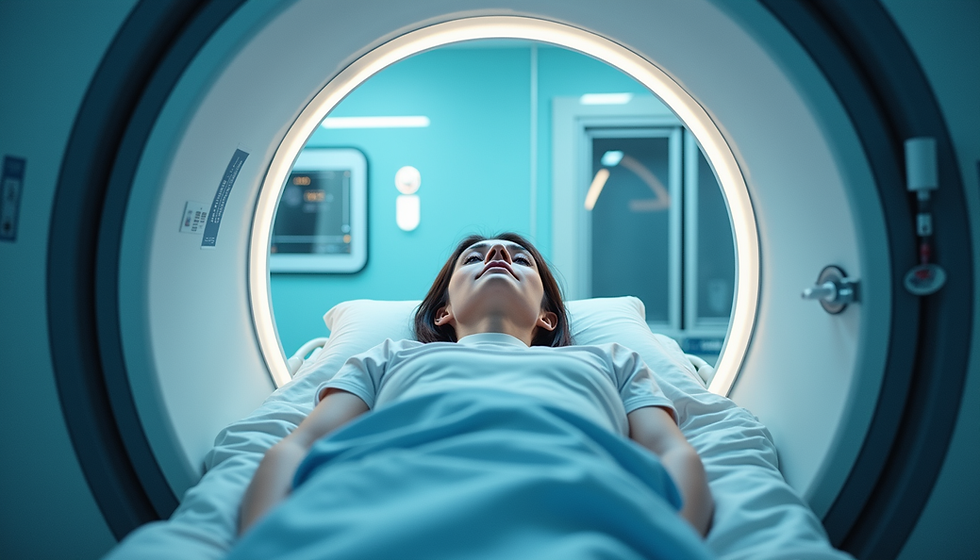
Hyperbaric oxygen therapy involves concentrated oxygen in a pressurized chamber. The increased pressure allows more oxygen to dissolve in the blood plasma, reaching tissues more effectively than normal breathing. This process supports:
Enhanced tissue repair and regeneration
Reduced inflammation
Improved blood flow and oxygen delivery to organs
HBOT is already used for conditions like wound healing, carbon monoxide poisoning, and decompression sickness. Researchers are now investigating its role in managing sleep apnea symptoms.
Potential Benefits of Hyperbaric Treatments for Sleep Apnea
Improved Oxygen Saturation During Sleep
Sleep apnea causes frequent drops in blood oxygen levels. HBOT increases oxygen availability, which may help reduce the severity of these drops. Some studies suggest that patients undergoing hyperbaric therapy experience better oxygen saturation, leading to fewer apnea episodes.
Reduced Inflammation and Tissue Swelling
Inflammation in the upper airway can worsen obstruction in sleep apnea. Hyperbaric oxygen has anti-inflammatory effects that might decrease swelling in throat tissues, potentially easing airway blockage.
Enhanced Healing of Damaged Tissues
Repeated oxygen deprivation during apnea episodes can damage tissues in the airway and brain. HBOT promotes healing by stimulating new blood vessel growth and repairing cellular damage, which could improve overall airway function.
Support for Brain Health and Cognitive Function
Sleep apnea is linked to cognitive decline due to intermittent hypoxia (low oxygen). By increasing oxygen supply, hyperbaric therapy may protect brain cells and improve memory, attention, and mood in affected individuals.
What Research Says About HBOT and Sleep Apnea
While research is still emerging, some clinical trials and case reports provide encouraging results:
A 2015 study found that patients with moderate to severe sleep apnea showed reduced apnea-hypopnea index (AHI) scores after a series of hyperbaric sessions.
Another trial reported improvements in daytime sleepiness and oxygen saturation following HBOT.
Animal studies indicate that hyperbaric oxygen can reduce inflammation and oxidative stress in airway tissues.
Despite these findings, more large-scale, controlled studies are needed to confirm the effectiveness and safety of hyperbaric treatments specifically for sleep apnea.
Who Might Benefit Most from Hyperbaric Therapy
Hyperbaric oxygen therapy is not a replacement for standard sleep apnea treatments but may serve as a complementary option for:
Patients who cannot tolerate CPAP machines
Those with residual symptoms despite conventional therapy
Individuals with coexisting conditions that impair oxygen delivery or tissue healing
Doctors typically evaluate each case carefully before recommending HBOT, considering factors like apnea severity, overall health, and treatment goals.
What to Expect During Hyperbaric Oxygen Therapy
HBOT sessions usually last 60 to 90 minutes and occur in a specialized chamber. Patients breathe concentrated oxygen while the chamber pressure is gradually increased to about 1.5 times normal atmospheric pressure. A typical treatment plan may involve 20 to 40 sessions over several weeks.
The procedure is painless, but some people experience mild side effects such as:
Ear pressure or discomfort
Temporary vision changes
Fatigue after sessions
Medical supervision ensures safety and adjusts treatment as needed.
Important Considerations and Precautions
Before starting hyperbaric therapy for sleep apnea, patients should discuss the following with their healthcare provider:
HBOT is not a cure for sleep apnea but may improve symptoms
It should complement, not replace, prescribed treatments like CPAP or oral appliances
Insurance coverage for HBOT varies and can be costly
Certain conditions, such as untreated pneumothorax or some lung diseases, may contraindicate HBOT
Always seek treatment from licensed hyperbaric centers with trained professionals.
Practical Tips for Managing Sleep Apnea Alongside HBOT
To maximize benefits, combine hyperbaric therapy with lifestyle and medical strategies:
Maintain a healthy weight to reduce airway obstruction
Avoid alcohol and sedatives before bedtime
Sleep on your side rather than your back
Follow prescribed CPAP or dental device use consistently
Monitor symptoms and communicate changes with your doctor
This holistic approach supports better sleep quality and overall health.



Comments